
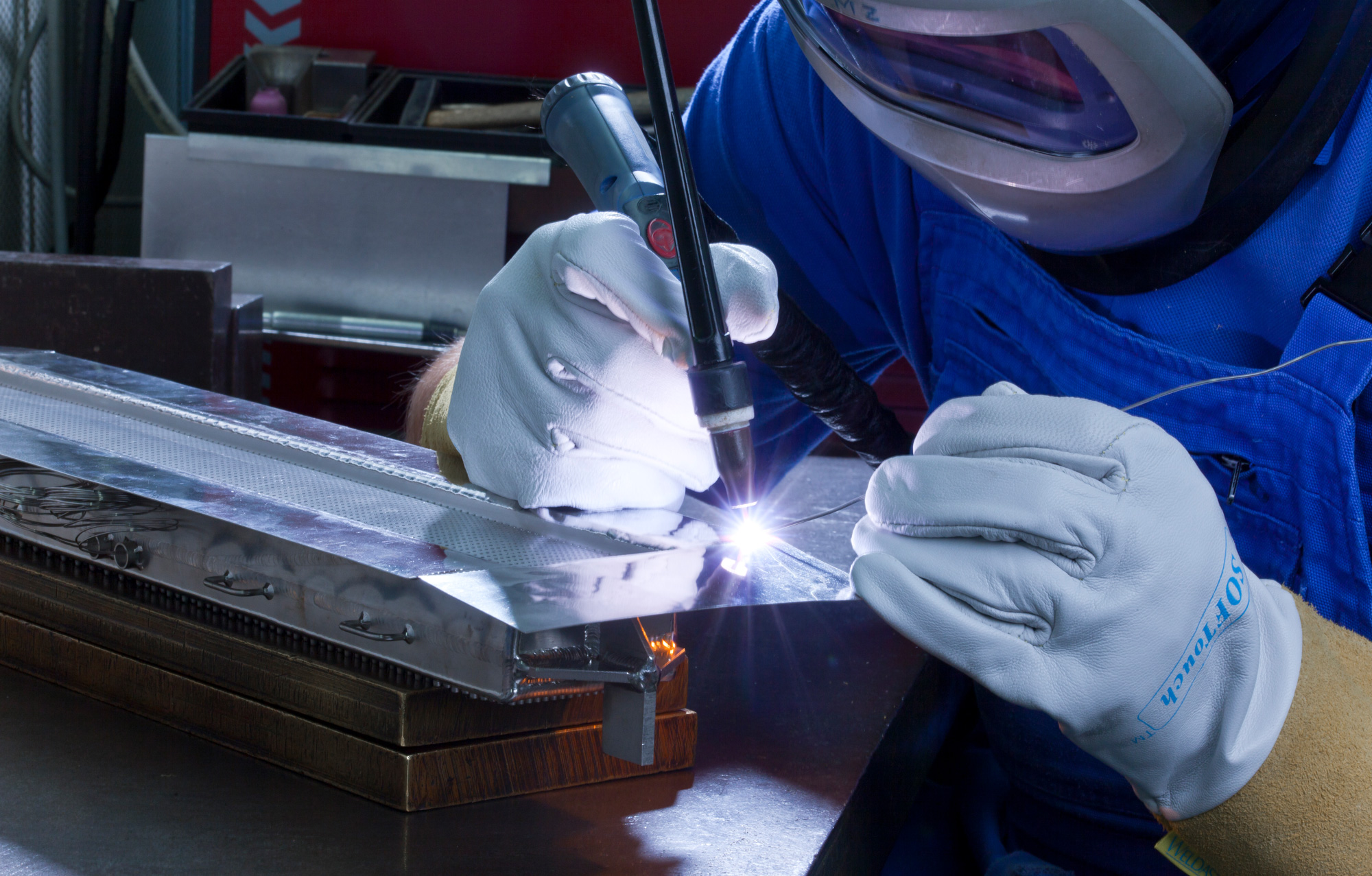

EQUIPMENT FOR THE MOST DEMANDING
TECHNICAL REQUIREMENTS
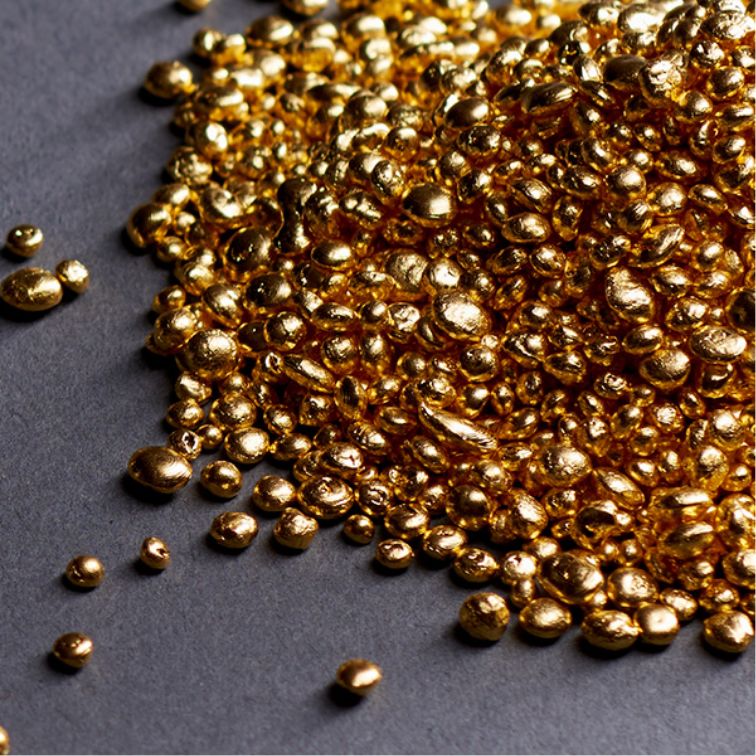
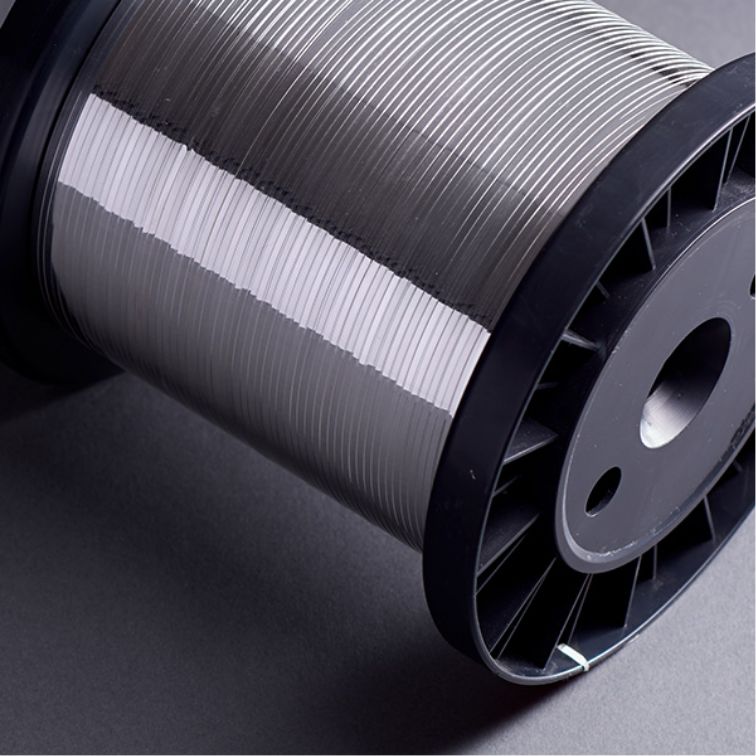
SAXONIA manufactures high-quality precious metal equipment for the glass and chemical industries. Thanks to the special properties of the materials used, our equipment offers outstanding resistance to high temperatures and corrosion.
We supply custom-made precious metal equipment as one-off units or in series, manufacture according to customer drawings or use our engineering resources to turn customer-specific requirements into tailor-made application solutions. In every case, you receive equipment manufactured from certified materials to high standards of craftsmanship and subjected to thorough quality inspection.
BUSHING ASSEMBLIES FOR THE GLASS / BASALT FIBRE INDUSTRY
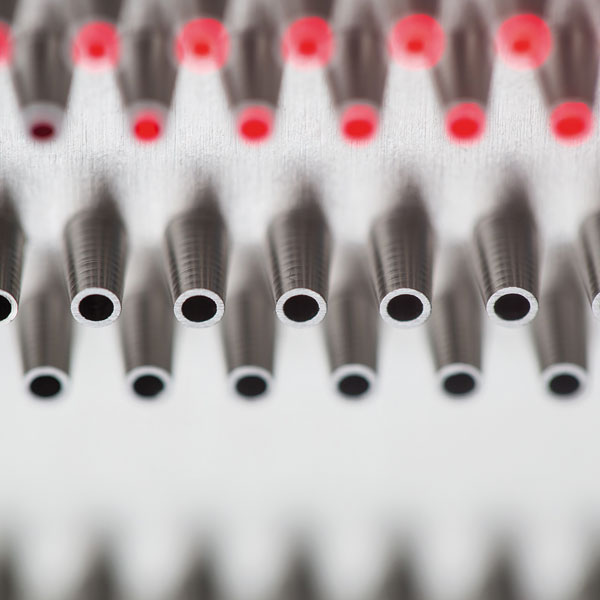
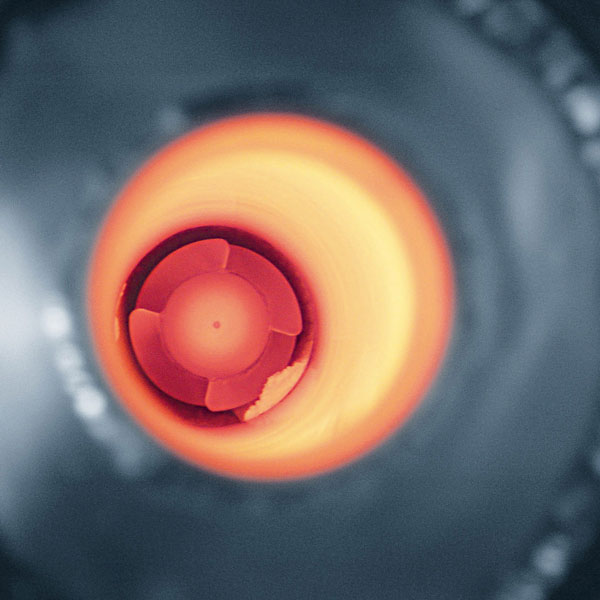
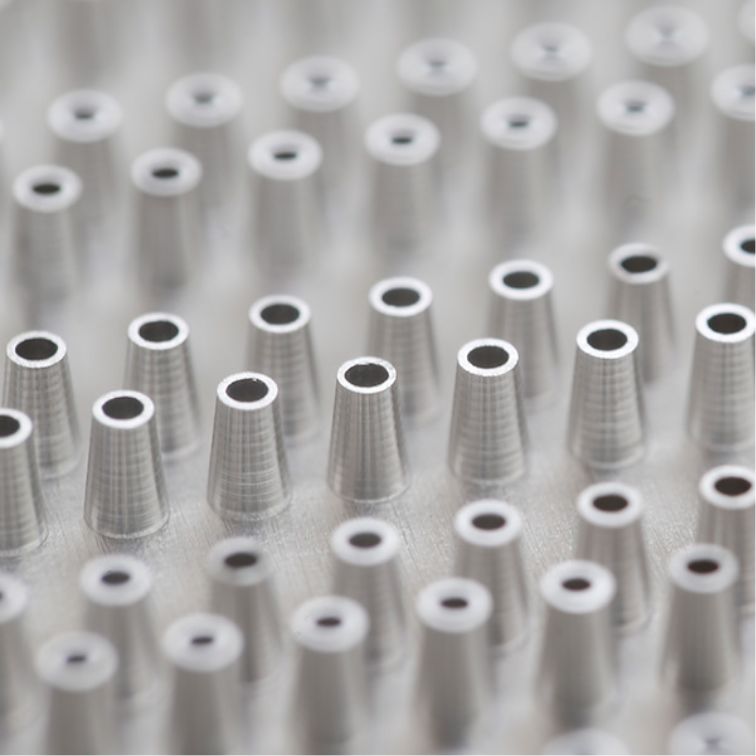
SAXONIA nozzle troughs are used worldwide to produce glass fibres from basalt, E-glass, C-glass and other types of glass in single-stage or two-stage processes for the following applications:
- Reinforcement of plastics for PC boards, container construction, pipework, automotive trim, automotive headliners, transparent trim, boat and yacht building
- Textile glass fabric for technical, electrical and sound insulation
- Glass decorative fabric (wallpaper)
- Glass fibre mesh for plaster reinforcement
- Bituminous roofing membranes
- Reinforcing mesh
- Basaltrebars
| Nozzle trays | |
|---|---|
| Materials | PtRh5, PtRh10, PtRh20, dispersion-strengthened (DVS-Pt, DVS-PtRh5, DVS-PtRh10) |
| Number of nozzles | 800 to 6,000 |
| Nozzle geometry | high flexibility (external / internal conical, cylindrical, customised) |
| Nozzle length | 2–7 mm |
| Internal nozzle diameter | flexible according to customer requirements |
| Nozzle base manufacture | using press tools or laser-welded |
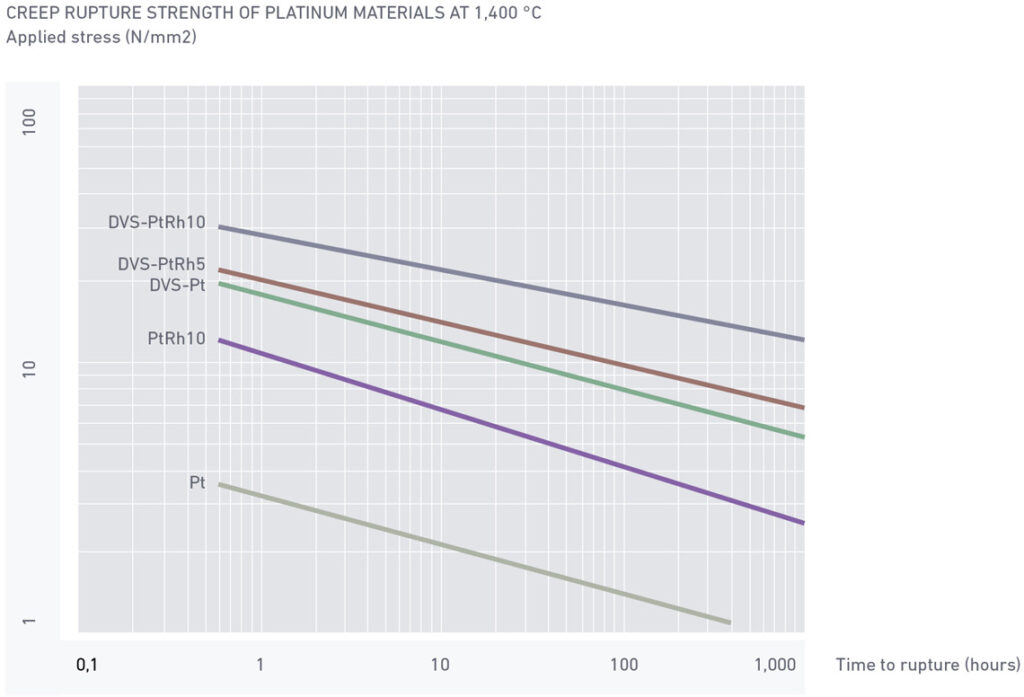
CREEP STRENGTH OF PLATINUM MATERIALS AT 1400°C
SAXONIA Edelmetalle has long been manufacturing equipment from fine-grained, stabilised platinum materials. To this end, the product range of dispersion-strengthened alloys has been further optimised over the years. The ideal solution is DVS (dispersion-strengthened platinum), a perfect material for the manufacture of glass-forming equipment. For some time now, DVS-PtRh10 has been the material of choice in the glass industry for applications involving very high temperatures.
Following suggestions from several optical fibre manufacturers, SAXONIA has developed high-performance platinum alloys with a low rhodium content. The desire to reduce the rhodium content posed a challenge for the existing platinum alloys. To meet the technical specifications, SAXONIA introduced DVS-PtRh5 as a new Zr02-stabilised alloy in 2020. This was followed in 2025 by the development of a rhodium-free DVS-Pt with improved properties.
Using a highly sophisticated process, the submicroscopic zirconia is incorporated into the platinum alloy before it eventually achieves the desired crystallographic structure. The flat, elongated micrograins (less than 100 µm) help to achieve the expected strength and the ability to compensate for thermal fluctuations. The image below shows the newly created oxide-dispersion alloy, whose crystal growth rate is significantly lower than that of an undoped alloy.
During the development phase the following requirements were taken into account:
- High-temperature fracture resistance
- Thermal conductivity
- Weldability
- Mechanical ductility
- Electrical conductivity
- Wetting behaviour of glass
- The influence of glass
- Mechanical properties
- Corrosion resistance
The creep behaviour of our new alloys was tested by analysing their long-term behaviour under high temperatures. The
strain rate is a critical property of platinum alloys, which is why we sought to produce a stable crystal structure in order to improve the alloy’s mechanical properties.
The tendency of the stabilised material to undergo the influence of sustained heat and stress to permanently deform , is shown in
the graph illustrated. The creep deformation is significantly minimised compared to standard alloys. The laboratory results demonstrate the specific properties of the alloy at a constant temperature and exposure time.
DVS-PtRh5 exhibits a higher creep rupture strength than conventional platinum materials. In recent years, it has been widely used in the production of glass fibres. This practical experience is being analysed and compared with the results of various laboratory tests.
| Melting range | 1,810 – 1,820 °C |
| Chemical Purity | ASTM Grade 99,95 |
| Electrical conductivity at 625 °C | 1,399 m/Ohm mm² |
| high temperature strength at 1,200 °C | 58,0 N/mm² |
| density | 20,40 g/cm³ |
| thermal expansion coefficient at 1,500 °C | 11,4 *10-6 / K |
Weldability:
In the case of a nozzle trough which is used for glass fibre production is, the welded joint is a particularly critical aspect. With optimised laser welding it is possible to achieve homogeneous joints between the base plate and the nozzles can be achieved.
Summary:
Customers are completely satisfied with the improved properties of this new DVS material. SAXONIA has become Europe’s largest manufacturer of nozzle pans and glass melting plants. To this end, we are constantly improving our platinum materials and working alongside our engineering partners to develop bespoke designs for glass melting plants made from platinum materials. As a customer, become part of this success story.
GLASS MELTING EQUIPMENT
SAXONIA glass melting units are used as melting systems for the production of high-quality glass or at specific stages in the production process that are critical to glass quality. The scope of supply also includes large-scale units with over 250 kg of platinum components (feeders, stirrer cells, refiner cells, cooling tubes, plunger cells or Vellocells) and accessories made from platinum materials, such as stirrers, plungers, bubblers, drains, stone linings, outlet rings and nozzles.
Glass melting units from SAXONIA are used worldwide in the following sectors:
- Automotive headlamp lenses
- Projection lenses
- Crystal glass
- Flat glass
- TV and LCD glass
- lamp tube
- Borosilicate glass
- Glass-ceramic
- Medical glass tube
| Glass melting equipment | |
|---|---|
| Materials | PtRh5, PtRh10, PtRh20, dispersion-strengthened DVS-PtRh10, DVS-PtRh5, DVS-Pt |
| Dimensions | Individual units up to diameter 500 mm in accordance with drawing and customer design |
LABORATORY EQUIPMENT
SAXONIA manufactures a wide range of equipment and products for laboratory supplies. We have focused our efforts on the manufacture of customised applications and bespoke products specialised. Our production range includes:
- Bowls and crucibles in various designs and sizes made of
- Pt99.9, PtRh10, PtAu5, DVS-Pt, DVS-PtRh5, DVS-PtRh10 and other alloys
- other products for laboratory use (e.g. stirrers or electrodes)
Services / Precious metals management
In addition to the production SAXONIA also offers you a range of support services and additional services in the field of equipment manufacturing.
- Design, development and optimisation of large-scale equipment, nozzle tanks and glass melting furnaces – in collaboration with expert engineering partners
- Toolmaking for our own press tools
- Removal of glass from faulty units and nozzle trays
- Repair of faulty precious metal equipment
- Claims investigations
- Reconditioning of precious metal equipment at the end of its service life
- Precious metal fixation
- Management and administration of metal accounts
- Precious metal procurement
- Price information
- Refining for the extraction of pure precious metals
- Collection / insured transport by SAXONIA
Sales folder Precious metal equipment
Quality
At SAXONIA, quality is of the utmost importance to us – both in terms of the purity of precious metals and in our manufacturing and processing. Using a wide range of testing methods and state-of-the-art laboratory equipment, we ensure that all the products we manufacture meet our high quality standards at all times.
EXTENSIVE FEATURES:
- Chemical laboratory
- Materials Laboratory
- Metallographic Laboratory
- Technical Centre / Testing Laboratory
COMPREHENSIVE TEST METHODS:
- Layer thickness
- Microstructures
- Surface roughness
- Geometry and spring forces
- Tensile – and compression tests
- Shear forces
- SPC control
DO YOU HAVE ANY QUESTIONS?
We are happy to advise you on, for example regarding the choice of materials, their properties and designs – and support you upon request as early as the development process. Please get in touch with us.
Claudia Arnold
Tel. +49 3731 2089-445
Fax +49 3731 2089-430